

Moda Mingle Journal
Eco-Friendly Diwali Gifts For Employees: 10 Ideas (2026)
Looking for eco friendly Diwali gifts for employees? Discover sustainable corporate Diwali gift ideas, from jute hamper bags to custom logo totes.
A thoughtful Diwali gift can be useful, responsible, and memorable
Diwali gifting is one of the nicest ways for a company to thank the people who make its work possible. Employees, clients, vendors, and partners all appreciate a gift that feels considered rather than hurried. The challenge is choosing something that is attractive enough for a festive occasion, practical enough to be used regularly, and easy to source in the right quantity. Eco-friendly bags meet all three needs. A well-made cotton tote, jute hamper bag, drawstring pouch, or canvas office bag can carry a Diwali gift on the day and continue serving a purpose for months afterwards.
This guide shares ten practical ideas for eco-friendly Diwali gifts for employees, along with a simple planning system for budgets, custom branding, packaging, quantities, and delivery. The goal is not to make every gift identical. It is to help you choose a useful base item and build a thoughtful gift experience around it.
Why reusable bags make strong corporate Diwali gifts
A reusable bag is a gift with a second life. Instead of becoming packaging that is discarded after the sweets are finished, it can be carried to the office, used for shopping, packed for a weekend trip, or kept as a storage pouch. That repeat use gives the gift a longer presence in an employee’s daily routine. It also makes the company’s brand visible in a natural, low-pressure way when a logo or message is printed neatly on the bag.
Reusable bags are especially useful for corporate gifting because they are easy to combine with other items. A tote can hold dry fruits, snacks, a candle, a notebook, a coffee blend, or a small self-care kit. A jute hamper bag gives a traditional, earthy look to festive packaging. A drawstring pouch is ideal for smaller gifts and can later be used for travel accessories, stationery, or children’s items.
The best gifting choice depends on the audience, the gift contents, and the expected frequency of use. The ten ideas below cover different budgets and gifting styles so you can create a programme that feels personal without becoming difficult to manage.
1. Custom-logo cotton tote with a useful Diwali hamper
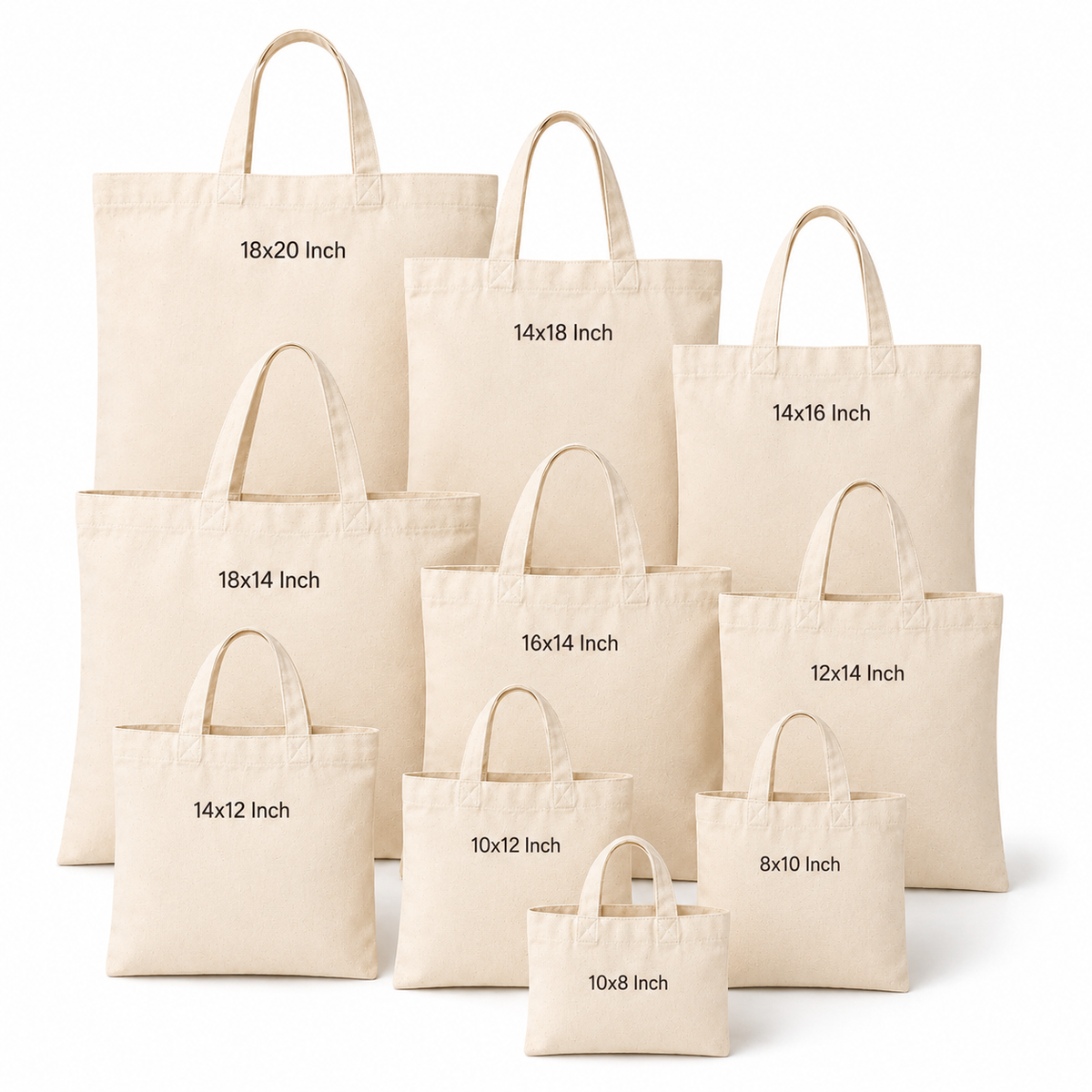
A cotton tote is a reliable all-rounder for employee gifting. Choose a comfortable size with strong handles, then fill it with a small selection of festive items such as sweets, dry fruits, tea, coffee, a candle, or a desk accessory. The bag becomes both the presentation and the main gift, so there is less need for extra wrapping.
For branding, keep the logo clear and moderate in size. A simple one-colour print often looks more professional than a crowded design. Place it where it can be seen when the bag is carried, but leave enough open space for the fabric and handle structure to remain the focus. Ask for a print proof before production, especially if your logo contains thin lines or small text.
A useful tip is to create one “standard” hamper and one “light” hamper. The standard version can be used for full-time employees or senior partners, while the light version can be offered to interns, event staff, or additional guests. Both can use the same tote, which keeps the visual identity consistent and simplifies purchasing.
2. Jute hamper bag for a traditional festive feel
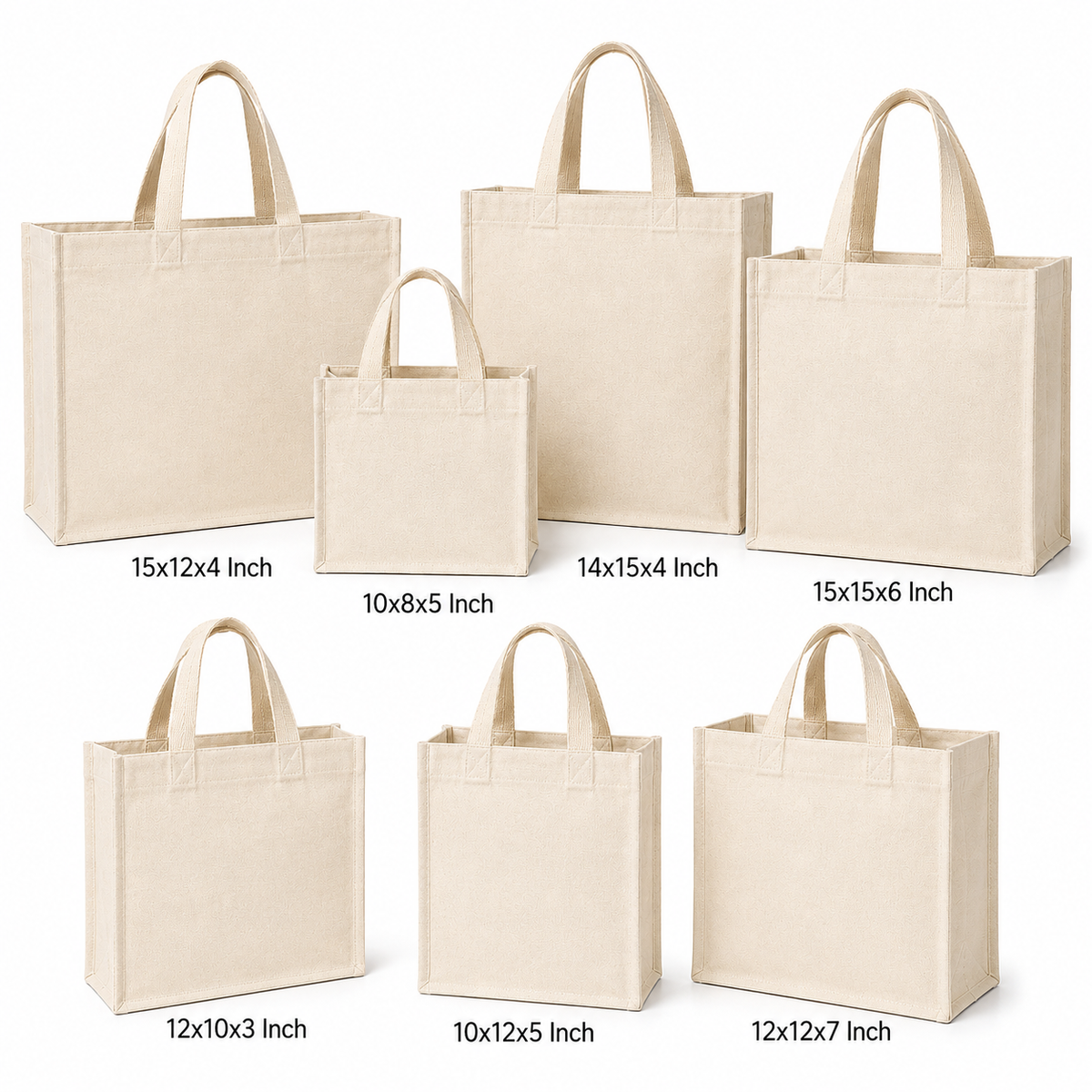
Jute has a natural texture that works beautifully with Diwali themes. It pairs well with brass-toned details, earthy colours, handmade products, and traditional sweets. Use a structured jute bag for premium hampers containing several items, or select a lighter style for smaller return gifts.
A simple trick is to match the bag size to the final hamper rather than choosing the bag first. Place one sample of every planned item on a table, measure the footprint and height, and allow room for tissue paper or a divider. This prevents an attractive bag from becoming overfilled or causing the contents to shift during transport.
Jute also works well for companies that want a warmer and less corporate look. Add a small card explaining that the bag is meant to be reused. If the bag will be exposed to moisture, ask for care guidance and consider an inner paper wrap for sweets or other delicate contents.
3. Drawstring gift pouches for smaller teams or event kits
Drawstring pouches are a practical choice when the gift is compact or when the company is distributing items at a Diwali event. They work well for chocolate boxes, candles, stationery sets, grooming kits, and small electronics accessories. Because they are lightweight and easy to stack, they can simplify storage and distribution.
Use a pouch when you want a neat, uniform presentation without paying for large packaging. Pouches can also be assigned to different employee groups with subtle colour or print variations. If you are printing a message, use short wording such as “With gratitude” or “Happy Diwali” so the design stays legible at a small size.
Before ordering, test the pouch with the final items. A drawstring can close differently depending on the thickness of the contents. Leave a little room at the top so the cord can gather naturally and the finished gift does not look stretched.
4. Office or laptop tote for a practical everyday upgrade
For teams that commute or carry documents, an office tote can be a more valuable gift than a decorative item. Look for a durable construction, comfortable handles, and enough room for a notebook, lunch box, charger, or tablet. A practical work bag can become part of the employee’s weekly routine, which increases its usefulness and the likelihood that it will be kept.
This option is particularly suitable for a new-joiner gift, an annual recognition programme, or a milestone celebration that happens around Diwali. Add a handwritten note inside instead of putting too much text on the outside. The result feels more like a thoughtful professional gift and less like a promotional giveaway.
If the tote is expected to carry a laptop, verify the dimensions and load expectations. Do not describe a bag as a laptop bag unless the structure and protection are appropriate. A roomy office tote can be an excellent everyday carry option without needing to make a technical claim.
5. Personalised tote with an employee-first message
Personalisation does not always mean printing every employee’s name. A team message, department line, founding year, or short value statement can create a feeling of belonging while keeping production manageable. For example, a company may use a common logo on the outside and place a small “Thank you for building this with us” message on an internal tag.
If individual names are important, confirm the spelling and the data format before artwork approval. Keep a final approved list with one owner responsible for corrections. A two-step proofing process—one spreadsheet check and one visual check—can prevent expensive reprints.
For a subtle premium effect, use personalisation on a card, tag, or sticker rather than printing a large name on the main bag. This gives employees a keepsake while keeping the bag versatile enough for future use.
6. A two-bag gift set for home and work
A paired set can make a modest gift feel more complete. Combine a medium cotton tote for daily errands with a small drawstring pouch for cables, cosmetics, stationery, or travel items. The two pieces can use the same logo treatment so they look like a considered collection.
This idea also gives employees flexibility. Someone who does not need another large tote may still find the pouch useful. Keep the two items in a single outer bag or tie them with a reusable fabric ribbon. Avoid unnecessary plastic sleeves when the bags themselves already provide a neat presentation.
Two-piece sets are easy to explain in the gift note: one item is for carrying, the other is for organising. That small explanation helps the recipient immediately see a purpose for both pieces and increases the chance that they will be used.
7. Kids’ or family-friendly bag for a warm, inclusive gift
Diwali is often celebrated with family, so a colourful children’s bag or a small family-use tote can make an employee gift feel more personal. Pair it with a storybook, activity kit, healthy snack box, or a small craft set. This idea works well when a company wants to recognise the whole household rather than only the individual employee.
The design should be cheerful but still durable. Check that handles, seams, and closures feel appropriate for the intended age group. If the bag includes a character or illustration, confirm that the artwork is licensed or owned by the business before printing it at scale.
A family-friendly gift can be offered as an optional choice in an employee form. Giving people a choice between a work tote and a family-oriented bag prevents waste and makes the programme feel more inclusive without requiring completely different fulfilment systems.
8. Sustainable welcome kit for new employees
New employees often receive several disconnected items during their first few weeks. A Diwali welcome kit can bring those pieces together in one reusable bag. Include a notebook, pen, access-card holder, desk plant, company culture card, and a small festive treat. The bag can be reused for commuting and keeps the onboarding experience organised.
The trick here is to avoid filling space just for the sake of a larger box. Choose fewer items with a clear purpose. A compact kit that is easy to carry often creates a better first impression than a large package filled with disposable promotional merchandise.
If employees work remotely, include an item that supports a home workspace, such as a cable organiser, desk mat, or tea blend. Add a short note from the team leader. A personal welcome message often contributes more to the experience than one extra promotional item.
9. Client or vendor appreciation bag with a premium finish
For clients and business partners, choose a refined bag with a restrained brand treatment. A heavier cotton canvas or structured jute bag can carry a curated selection of gourmet foods, a premium notebook, or a locally made product. Use quality tissue, a printed note, and a consistent colour palette to make the presentation feel deliberate.
Consider the recipient’s context before including food. Ask whether the gift needs to be vegetarian, allergen-aware, alcohol-free, or suitable for international shipping. A useful bag paired with a carefully selected item is safer and more memorable than an oversized hamper with items the recipient cannot use.
When sending a client gift to multiple offices, keep the outer labels neutral and add the recipient name on a separate card. This protects privacy and makes it easier for office reception teams to sort deliveries without opening the package.
10. Return-gift bag for a Diwali event or community programme
If your company is hosting a celebration, workshop, or community event, a reusable bag can function as both the event kit and the return gift. Fill it with an agenda, snack, reusable bottle, notebook, and a small local product. Add the event name and date in a subtle location so the bag remains useful afterwards.
For event orders, count a small reserve in addition to the confirmed guest list. A few extra bags cover last-minute registrations, damaged pieces, or staff members who need to carry materials. It is much easier to plan a reserve during production than to arrange a small urgent re-order close to the event.
Use a large table or labelled shelves to arrange completed kits by group. This reduces queue time during distribution and makes it easier to spot missing items before the event begins.
How to choose the right bag: a practical decision checklist
Start with the contents, not the catalogue photograph. Write down the number of items, their approximate dimensions, and whether they need to remain upright or protected. Then select a bag that has enough capacity without looking empty. A bag that is slightly too large may need extra filler, while a bag that is too small can look crowded and strain the handles.
Next, decide how the gift will be used after Diwali. If the answer is daily commuting, prioritise handle comfort and structure. If it is shopping, prioritise capacity and washable fabric. If it is a small event kit, prioritise light weight and easy stacking. If it is a premium client hamper, prioritise finishing, print quality, and the unboxing experience.
Finally, match the branding method to the fabric. Ask the supplier which print technique is best for cotton, canvas, or jute, and request a physical or digital proof. Confirm the finished print size, placement, colour references, and whether the artwork has been converted into the required production format.
Keep a short decision sheet with five fields: recipient, use case, bag type, target budget, and delivery date. If a proposed item cannot be explained in those five fields, it may not be the right fit for the programme.
How to compare cotton, canvas, and jute
Cotton is soft, versatile, and suitable for everyday shopping or light office use. It offers a clean surface for simple printing and can be folded for storage. Canvas is usually chosen when the bag needs more structure or a more substantial feel. It is a good match for office totes, heavier contents, and premium presentation.
Jute has a distinctive natural texture and a festive, handcrafted appearance. It is often selected for hampers, return gifts, and event packaging. The texture is part of the charm, but it can also affect the appearance of very fine artwork. Ask for a print sample if your design includes small letters or detailed lines.
There is no single “best” fabric for every order. Choose based on the weight of the contents, expected reuse, visual style, care requirements, and budget. A well-matched simple bag will usually be appreciated more than a premium bag that does not fit the recipient’s routine.
Budgeting tips that prevent surprises
A useful budget includes more than the bag price. Add printing or embroidery, the contents of the hamper, cards, tissue or protective material, packing labour, transport, taxes, and a small contingency. If bags will be delivered to multiple offices, ask for location-wise shipping costs instead of assuming one flat rate.
Compare suppliers on total delivered cost and consistency, not only on the lowest unit rate. Ask what happens if a small percentage of bags have print variation or stitching defects. A clear replacement policy can be worth more than a small saving at the quotation stage.
For larger orders, request a sample from the same fabric and print process that will be used in production. A catalogue sample may not represent the final weight, colour, or handle length. Approving one physical sample early gives the team a reference point for quality checks when the full order arrives.
An easy budgeting trick is to create three packages: essential, standard, and premium. Keep the bag consistent and change only the contents. This gives leadership a clear choice without forcing the team to redesign the entire gift each time the budget changes.
Customisation tips: make the logo look premium
Keep the main design simple. One strong logo, a short festive message, or a small pattern usually looks cleaner than several competing elements. Avoid placing important text too close to seams, pockets, or the bottom edge, where it may become difficult to read when the bag is filled.
Use high-contrast artwork and test the design on the actual fabric colour. Natural cotton and jute have texture, so a colour that looks bright on a screen can appear softer after printing. If the brand uses a detailed logo, ask for a simplified one-colour version for small bags and pouches.
Approve the proof in writing and save the approved file with the order documents. Include the final logo version, print position, colour reference, and quantity. This makes it easier for another team member to coordinate a repeat order next year.
Do not assume that a logo has to be placed in the centre. A small lower-corner mark, side panel, or internal tag can feel more stylish. The best location depends on how the bag is carried and where the fabric remains flat.
Planning timeline for a smooth Diwali gifting project
Six to eight weeks before delivery, confirm the recipient count, budget range, gift concept, delivery locations, and branding requirements. Order or review a sample and begin collecting quotations. If the order includes personalised names or multiple designs, allow additional time for data cleaning and proof approval.
Four to five weeks before delivery, freeze the bag style, size, fabric, print, and hamper contents. Place the production order only after the artwork and quantities are approved. Keep a single version of the truth for addresses and contact names so updates do not get lost in separate email threads.
Two to three weeks before delivery, confirm production progress, packing requirements, and dispatch dates. Prepare cards, labels, employee lists, and any instructions for office coordinators. If gifts are going to different cities, group them by destination and label cartons clearly.
During the final week, track each shipment and keep a small reserve for replacements. Ask receiving teams to check the carton count and visible damage on arrival. A quick photograph of any issue helps the supplier resolve it faster.
Packing tricks for a polished presentation
Place the heaviest item at the bottom and protect delicate items with paper or a reusable divider. Keep the logo facing outward when the recipient opens the package. Use a small card to explain that the bag is designed for reuse; this turns a practical feature into part of the gifting story.
Choose paper-based or reusable packing materials wherever possible. If the bag itself is attractive, it may not need an additional outer gift box. For fragile deliveries, use the minimum protective packaging needed to prevent damage, then tell recipients how to reuse or recycle the materials.
For large teams, pack in a repeatable order and create one photographed reference sample. This helps different packing stations produce a consistent result. Count the contents at the start of a shift and again before cartons are sealed.
Use a checklist attached to each carton rather than relying only on memory. Mark the destination, number of kits, number of spare items, and the name of the person who checked the carton. This small control can prevent confusion when several teams are packing at once.
Useful tricks for multi-location distribution
Divide the recipient list by office, city, or delivery route before purchasing. Ask each location to confirm an onsite contact, a phone number, and a delivery window. If a location has a different holiday schedule, record it beside the address rather than in a separate document.
Use clear but compact carton labels. Include the destination, carton number, number of gifts inside, and handling notes if needed. Avoid putting private employee information on the outside of a carton that may pass through multiple hands.
Share a simple tracking sheet with only the people who need it. Mark the status as packed, dispatched, delivered, or issue reported. When there is a delivery problem, one clear owner should contact the courier and update the team instead of several people sending duplicate instructions.
How to write a better greeting card
A good greeting card is short, warm, and specific. Thank the recipient for a contribution rather than using a generic sales message. For example, a company can acknowledge the care, creativity, or teamwork that helped the year move forward. The wording should feel natural when read by an intern, a senior employee, a client, or a vendor.
Avoid making the card too long. Two or three sentences, a signature, and a small care note for the reusable bag are enough. If the same bag is going to different audiences, keep the main message common and use a smaller label for audience-specific wording.
Read the final copy aloud before printing. Sentences that look correct on a screen can feel formal or awkward when read quickly. Check names, punctuation, festival spelling, and the sign-off one final time.
Quality checks before accepting the order
Check the fabric for major stains, open seams, loose handles, uneven stitching, and damaged closures. Check that dimensions are consistent and that the bag can hold the intended contents without excessive strain. For printed bags, review alignment, colour consistency, edge sharpness, and legibility.
If the product is packed into a hamper, test the complete finished gift, not just the empty bag. Lift it, carry it, and place it in a carton. This reveals problems that are not visible when the bag is photographed flat.
Keep a small sample from the approved batch with the order reference and date. It becomes useful when repeating the order next year or checking whether a replacement matches the original.
Common mistakes to avoid
Do not select a bag only because its image looks attractive online. Check the actual dimensions, material, handle length, gusset, and expected load. Do not leave printing until the last week; artwork changes and proofing usually take longer than expected. Do not assume one size suits every recipient when the contents vary significantly.
Avoid overbranding. Employees are more likely to reuse a bag that fits their style and does not look like a large advertisement. Avoid making promises about sustainability that you cannot support with clear material and care information. A simple, accurate description is more credible than a long list of environmental claims.
Do not skip the delivery plan. A gift can be beautifully designed and still create frustration if it arrives after the office closes or if cartons are sent to an old address. Assign one person to own the final delivery checklist.
Avoid making a supplier responsible for decisions that your team has not finalised. Confirm the logo, quantity, content list, and delivery locations internally before production. Clear decisions lead to faster quotations and fewer revisions.
A ready-to-use ordering checklist
- Final recipient quantity, plus a small reserve.
- Bag type, dimensions, fabric, colour, and handle style.
- Contents, total weight, and any food or allergy considerations.
- Logo artwork, print size, print position, and approved proof.
- Individual personalisation list, if applicable.
- Delivery addresses, contact people, and preferred dates.
- Full cost including printing, packing, shipping, and taxes.
- Sample approval, quality expectations, and replacement process.
- Packing instructions, greeting card copy, and carton labels.
- One owner for supplier communication and final sign-off.
Frequently asked questions
What is a good eco-friendly Diwali gift for a large employee group?
A cotton tote, drawstring pouch, or simple jute hamper bag is easy to standardise and combine with different gift contents. Choose one durable design, keep the branding clear, and use a consistent packing checklist so the order remains efficient at scale.
Should the company print its logo on every bag?
Printing is useful when the bag will be used in public or for events, but it is not mandatory. A small logo, internal message, or subtle tag can feel more premium. The right level of branding depends on your culture and the intended use of the bag.
How many extra bags should be ordered?
The reserve depends on the project, but a small percentage above the confirmed count is helpful for last-minute additions, damage, and replacements. For a large or multi-location order, discuss a sensible reserve with the supplier before production begins.
How can a team keep the gift affordable?
Start with the bag’s purpose and choose fewer, more useful hamper items. Simplify the print, standardise the design, and consolidate deliveries where possible. A reusable bag with two or three well-selected items often feels more thoughtful than a large package of disposable products.
What information should be printed on a care card?
Mention the material, recommended cleaning method, drying instructions, and a reminder to reuse the bag. Keep the advice short and accurate. If the fabric should not be machine-washed or soaked, say so clearly.
Should every employee receive exactly the same gift?
Not necessarily. A consistent base bag can be paired with different contents for dietary needs, family preferences, role requirements, or remote and office-based teams. The programme will feel fairer when the difference is based on a clear choice rather than an unexplained hierarchy.
Make the gift useful beyond the festival
The strongest Diwali gifts do not end when the sweets are finished. They become part of a commute, a shopping trip, a family outing, or a tidy desk. That is why a reusable cotton, canvas, or jute bag is such a practical base for corporate gifting. It helps the company present the gift beautifully today while giving the recipient something useful tomorrow.
Plan early, approve the sample, keep the branding restrained, and make the final delivery checklist someone’s clear responsibility. With those simple habits, an eco-friendly Diwali gifting programme can be warm, organised, and genuinely appreciated by the people receiving it.
Ideas to inspire your next gift